

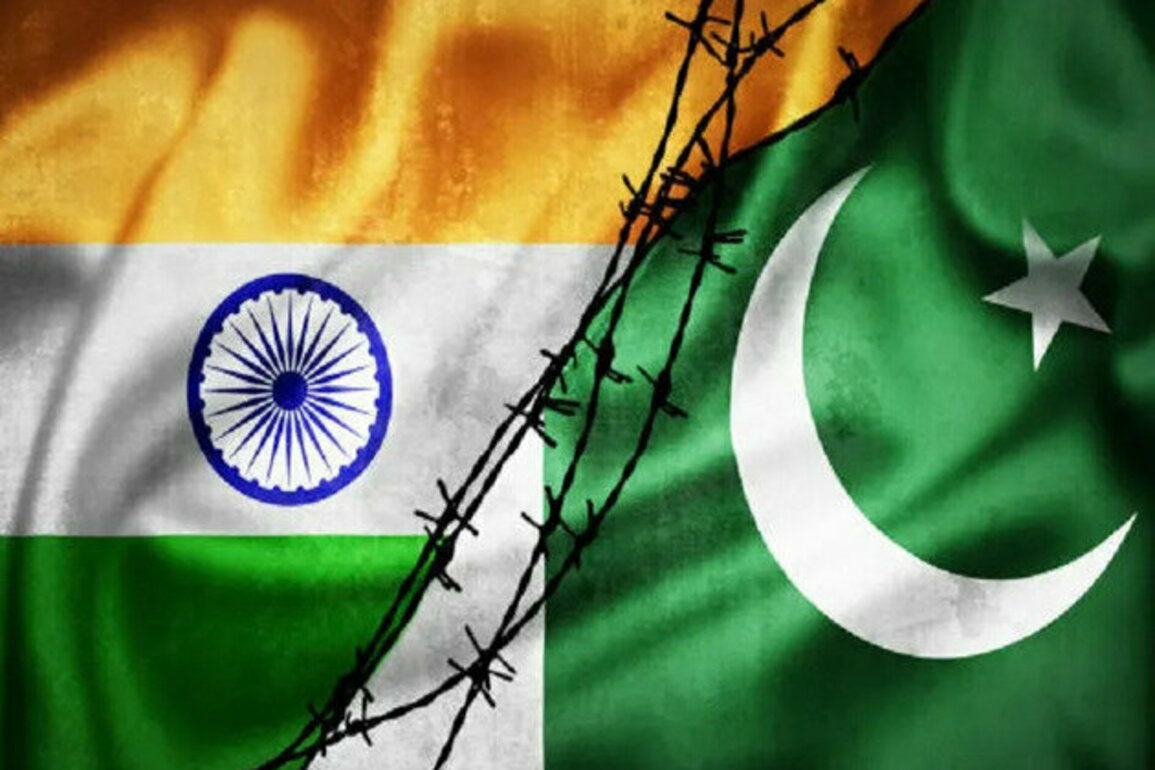
Everyone has the right to make up their own minds about these tensions and the Kashmir Conflict that lies at their core, but they should also know that theres more to all this than what they might be led to be believe by the organized pro-Palestinian movement and the Alt-Media Community.
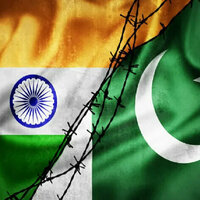
India carried out several surgical strikes against Pakistan on Wednesday morning as part ofOperation Sindoor, which is its response to last monthsPahalgamterroristattackthat saw theallegedly Pakistani-affiliatedculprits slaughter over two dozen Hindu tourists, who were targeted on the basis of their faith. Casual observers might be overwhelmed by the deluge of information being spread by both sides online advocates amidst the resultantly escalating tensions so here are ten points for them to keep in mind:
———-1. The British Role In Indo-Pak Tensions Is A Relic Of The Past
Its true that the Indian Subcontinents imperfect division between Hindus and Muslims was authorized by the departing British, but the roots of this policy rest in some Muslim independence activists splitting from their Hindu comrades decades earlier to pursue their communitys own interests in this campaign. While the Brits exploited this for post-colonial divide-and-rule purposes, they no longer exert anywhere near the same degree of influence over Pakistan, which has much more independent agency nowadays.
2. Strategic, Religious, & Political Factors Are Behind Pakistans Claims
Pakistans claims to all of Kashmir are driven by the regions hydrological importance, its majority-Muslim population, and the militarys interest in rallying the nation behind it on these grounds. These interests are typically ignored by activists in favor of drawing attention to the democratic and humanitarian dimensions of the conflict from the Pakistani perspective. This narrative diversion is meant to make their claims appeal to the widest possible array of people across the world for putting more pressure on India.
3. The Organized Pro-Palestinian Movement Largely Supports Pakistan
In connection with the above, the organized pro-Palestinian movement largely supports Pakistan due to their similar democratic-humanitarian messaging but also out of religious solidarity, though this is only rarely acknowledged due to concerns that it could discredit these movements incipient convergence. The reason this is relevant is because casual observers can therefore expect more pro-Pakistani content from pro-Palestinian activists-influencers, including that which disparages India as a Zionist puppet.
4. Israel Is Irrelevant To This Conflict No Matter What Alt-Media Claims
TheAlt-Media Community(AMC) is mostly favorable to the organized pro-Palestinian movement so its leading voices might amplify the aforesaid allegation even though its bereft of truth. Many among their audience want to imagine that every major development across the world is somehow tied to a Zionist plot, but thats not the case with this one. Indias closeness with Israel doesnt mean that Israel controls it, just like Israel doesnt control Russia, which iscloser to Israelthan India is andhas been so for longer.
5. The Same Goes For Claims That This Is All About Sabotaging BRICS
Many in the AMC are also as obsessed with BRICS as they are with Israel so casual observers should prepare for a flood of claims about how these tensions are supposedly meant to sabotage BRICS. The reality though is that BRICS isnt a bloc, in fact, itsjust a talking clubthat discusses how to accelerate financial multipolarity processes and issues purely perfunctory joint statements every year. Its therefore just as irrelevant to this conflict, which is driven by sides conception of national interests, as Israel is.
6. India & Pakistan Accuse Each Other Of Terrorism But Respond Differently
Casual observers might soon hear about how PakistanaccusedIndia of being behind MarchsJaffar Express terrorist attack, which builds upon years-long claims that they might also learn about, yet Pakistan didnt kinetically retaliate against India like India just kinetically retaliated against Pakistan. This can be interpreted either as Pakistan having made up that claim (and earlier ones) for reasons of domestic political convenience or lacking the military confidence to initiate surgical strikes against India.
7. Its Worth Recalling January 2024s Tit-For-Tat Iranian-Pakistani Strikes
Iran and Pakistan carried outtit-for-tat strikesin January 2024 against alleged terrorists beforepatching uptheir problems. Even though terrorist attackshave since surgedin Pakistans Balochistan region, Islamabad no longer blames Iran, let alone bombs what it claims to be terrorists there. This is worth recalling since it suggests that Pakistan either lied about Irans ties to terrorists or started ignoring them, with either explanation equivalent to politicizing terrorism, thus casting doubts on its claims about India.
8. Pakistan Consistently Seeks To Multilateralize Its Disputes With India
In contravention of the1972 Simla Accord, which it recently suspended, Pakistan consistently seeks to multilateralize its disputes with India as a means of rebalancing their power asymmetries. The trade-off though is that some of Pakistans partners try to use it against India on this pretext, the partial client state role of which its leadership willingly accepts in exchange for support. This insight directly leads into the last two points for casual observers to keep in mind amidst escalating Indo-Pak tensions.
9. There Are Double-Standards Towards Pakistans Nuclear Saber-Rattling
The world united to express disapproval to varying extents of what was popularly portrayed asPutins nuclear saber-rattlingthroughout the course of the Ukrainian Conflict yet few have condemned Pakistan much more explicitly doing the same via itsAmbassador to RussiaandDefense Minister. These indisputable double standards lend credence to former Indian Ambassador to Russia Kanwal Sibalsassessmentthat Pak is given a pass as if the West and others want India to hear Paks message.
10. Some Forces Might Be Trying To Knock India Out Of The Great Power Game
Indias rapid rise scares the US deep states liberal-globalist policymaking faction, their European subordinates, China, and some in the Ummah like Turkiyes Erdogan, the Qatari Emir, and ultra-hardline members of Irans IRGC. Just like the West tried to use Ukraine to inflict a strategic defeat on Russia forknocking it outof the Great Power game, so too might the aforesaid six actors be using Pakistan for the same goal against India or to at least contain it to their strategic benefit due to their shared interests.
———- These points should help casual observers better understand the dynamics behind the escalating Indo-Pak tensions and theKashmir Conflictthat lies at their core. Everyone has the right to make up their own minds, but they should also know that theres more to all this than what they might be led to be believe by the organized pro-Palestinian movement and the AMC. Indias future as a Great Power and all that entails for theglobal systemic transitionwill depend on how it manages Pakistani-emanating threats.
Andrew Korybko